
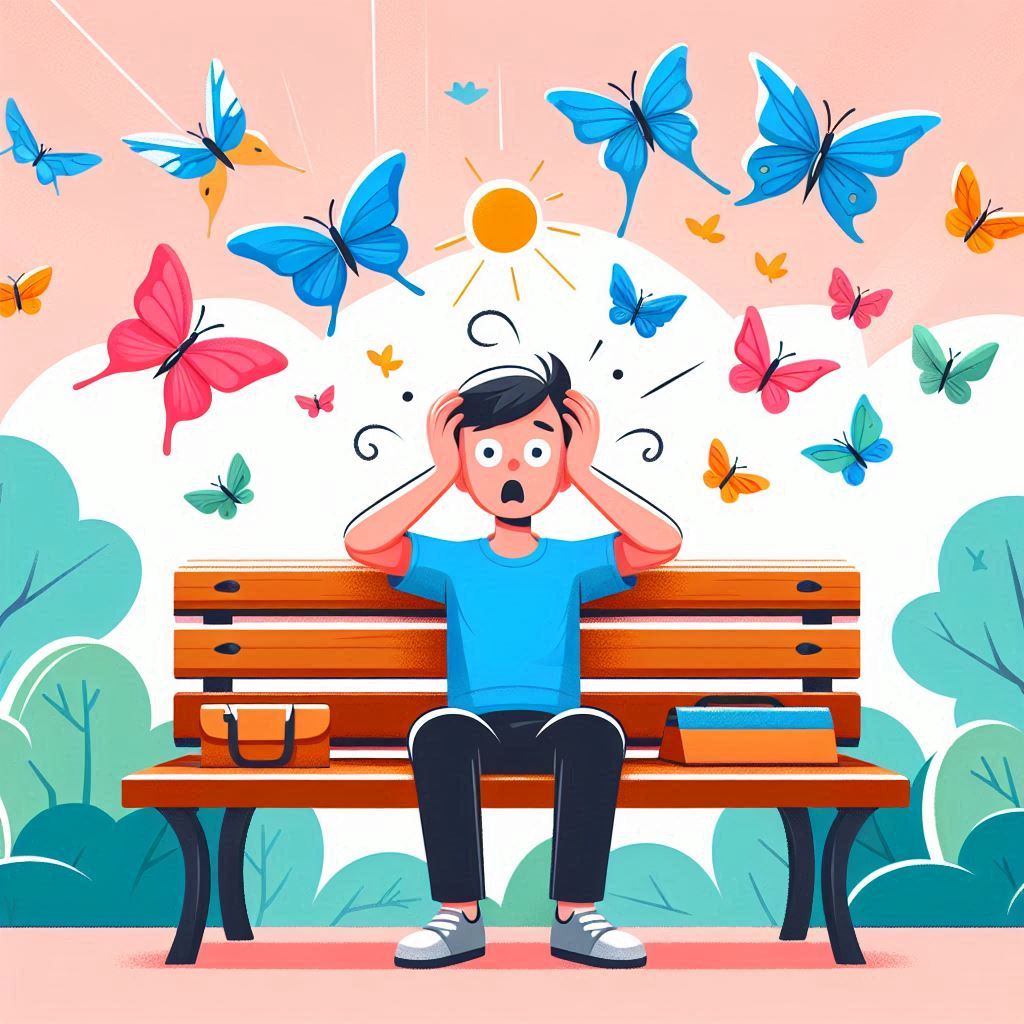
Understanding Panic Disorder: A Guide to Symptoms, Support, and Recovery!

Welcome to our mental health blog! Today, we talk about Panic Disorder, a condition that can be deeply distressing but is also highly treatable with the right support, understanding, and care.
🌪️ What Is Panic Disorder?
Panic Disorder is a type of anxiety disorder marked by recurrent and unexpected panic attacks—sudden episodes of intense fear that trigger severe physical reactions when there is no real danger or apparent cause. These attacks can occur at any time, often leaving individuals in fear of when the next one will strike.
Unlike general anxiety, Panic Disorder centers around the experience of panic attacks and the constant fear of having another, which can interfere with daily life, work, and relationships.
⚡ What Is a Panic Attack?
A panic attack is a sudden and overwhelming wave of fear or discomfort that peaks within minutes. While they are not life-threatening, panic attacks can feel like a heart attack or losing control. Many people go to the emergency room the first time they experience one.
These episodes can occur without warning and often leave individuals physically and emotionally drained. Panic attacks may last anywhere from a few minutes to over half an hour and can occur once or repeatedly.
What’s important to understand is that the fear of another attack can become just as debilitating as the attack itself. This is why people with Panic Disorder might avoid certain places or situations, leading to isolation or agoraphobia.
⚠️ Signs and Symptoms of Panic Disorder
Panic attacks typically include:
-
Racing or pounding heart
-
Shortness of breath or feeling like you’re choking
-
Sweating, trembling, or shaking
-
Chest pain or discomfort
-
Nausea or abdominal distress
-
Dizziness or lightheadedness
-
Fear of losing control or “going crazy”
-
Fear of dying
-
Chills or hot flashes
-
A feeling of detachment from reality (derealization) or from oneself (depersonalization)
Living with Panic Disorder means more than experiencing occasional fear—it’s the constant worry about when the next attack will occur that affects one’s overall functioning.
🧠 What Causes Panic Disorder?
The exact cause is unknown, but contributing factors may include:
-
Genetics
-
Major stress or trauma
-
Changes in brain function or chemistry
-
A history of other anxiety disorders
-
Substance use or withdrawal
🛠️ How Is Panic Disorder Treated?
Panic Disorder is treatable, and many people experience significant relief with the right approach. Treatment options include:
🧠 Cognitive Behavioral Therapy (CBT):
CBT helps identify and challenge irrational thoughts that fuel panic attacks and teaches healthier responses to anxiety.
💊 Medication:
Antidepressants like SSRIs or anti-anxiety medications can be prescribed to reduce symptoms, often in combination with therapy.
🌬️ Breathing Techniques and Mindfulness:
Learning how to regulate breath and stay present during panic episodes can reduce severity and frequency.
🏃 Lifestyle Changes:
Regular exercise, limiting caffeine, adequate sleep, and stress management can also support recovery.
💙 Living with Someone Who Has Panic Disorder
Supporting someone with Panic Disorder means being patient, informed, and compassionate.
Here are a few ways to help:
-
Educate yourself on the condition to better understand their experiences.
-
Don’t downplay their feelings—panic attacks are very real and frightening.
-
Encourage them to seek professional help without pressure.
-
Be a calming presence during an attack—help them breathe and remind them they’re safe.
-
Offer to accompany them to therapy or appointments if they’re comfortable.
🤝 Support Groups and Resources
Connecting with others can make a huge difference. Here are some trusted organizations offering support:
-
Anxiety and Depression Association of America (ADAA):
https://adaa.org – Offers support groups and resources for managing panic and anxiety. -
National Alliance on Mental Illness (NAMI):
https://www.nami.org – Provides peer-led support for individuals and families. -
Mental Health America (MHA):
https://www.mhanational.org – Offers online screenings, community support, and education. -
Psychology Today:
https://www.psychologytoday.com – A helpful directory to find therapists who specialize in panic and anxiety disorders.
And if you’re located in Florida, Ellipsis Counseling Center is available for individual virtual sessions tailored to your unique needs.
📚 Recommended Books on Panic Disorder
- “When Panic Attacks” by David D. Burns
-
- In When Panic Attacks, Dr. Burns takes you by the hand and shows you how to overcome every conceivable kind of anxiety.
-
-
-
- The book acts as an informative guide and draws from the experiences of author and counsellor, Joshua Fletcher, who lived with anxiety disorder for years before successfully overcoming the condition.
-
✅ Takeaway:
If you or someone you know is facing mental health challenges, taking the first step toward treatment can make a profound difference. Early intervention, professional help, and community support are all tools that can lead to recovery and peace of mind. If you are ready to take that step, consider reaching out to professionals who can guide you through your journey. Whether through Ellipsis Counseling Center or another resource, help is always within reach.
Thank you for joining us on this journey to promote mental well-being and break the stigma. Stay tuned for more insights, tips, and stories on our mental health blog, and don’t forget to check out our Podcast and YouTube channel for deeper discussions and additional resources!
If you have a personal journey related to this topic that you would like to share, please feel free to email us at ellipsiscenter@gmail.com. Let us know if you want to share it anonymously or with your name.