
Honoring 9/11:
Grief, Healing, and Resilience

Welcome to our mental health blog! Today, we pause to honor the lives lost on September 11, 2001, and reflect on the emotional impact such a tragic event continues to have on individuals, families, and communities.
Though 9/11 happened over two decades ago, the grief, trauma, and sense of loss experienced by survivors, first responders, and those indirectly affected can persist. Commemorating this day allows us to acknowledge those feelings, explore paths toward healing, and remember the resilience that humanity can show even in the face of unimaginable tragedy.
In this post, we’ll explore the emotional and mental toll of collective trauma, strategies to care for your own mental health, ways to support others who may be struggling, and how communities can foster hope and resilience while honoring the memory of those lost.
Understanding Grief and Trauma
Experiencing or witnessing large-scale tragedy can affect our emotions, thoughts, and physical well-being in profound ways. Common reactions include:
Emotional waves: sadness, anger, anxiety, guilt, numbness, or even moments of relief or joy amidst remembrance.
Mental strain: difficulty concentrating, intrusive thoughts, or feeling “foggy.”
Physical impact: disrupted sleep, tension, fatigue, loss of appetite, or heightened alertness.
Community grief: Collective events like 9/11 also evoke societal mourning, where news coverage, anniversaries, or personal connections can trigger renewed grief.
Remember: emotional reactions—even years later—are valid. Grief and trauma are natural responses to profound loss and upheaval.
Giving Yourself Permission to Heal
Healing from trauma does not mean forgetting the event or the lives lost—it means caring for yourself so you can process the experience while honoring memories.
-
Release timelines: Trauma and grief have no schedule. Allow yourself patience and understanding.
-
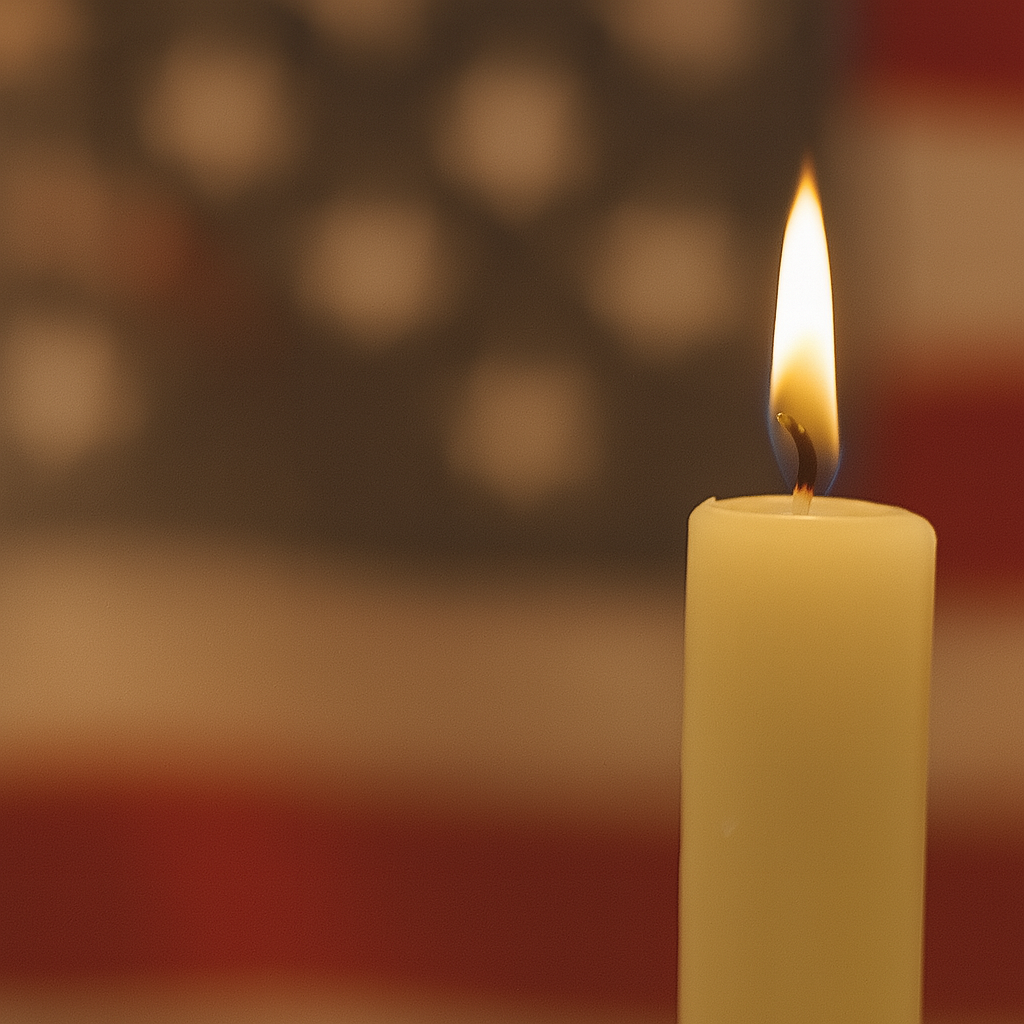
Create rituals of remembrance: Light a candle, attend memorials, write letters, or share stories to honor the past.
-
Practice self-compassion: Some days may feel heavier than others—gentleness is essential.
-
Seek support: Counseling, therapy, or support groups for trauma and grief can provide guidance and comfort.
Supporting Others Through Collective Grief
Whether a friend, family member, or coworker was directly affected by 9/11, your presence and empathy can make a meaningful difference.
-
Listen actively: Validate their experiences without trying to “fix” them.
-
Encourage expression: Journaling, creative outlets, or discussions can help process feelings.
-
Maintain connection: Check in regularly, especially around anniversaries or triggering events.
-
Share rituals together: Attend memorials, create commemorative art, or participate in community acts of remembrance.
Supporting others through collective grief is not about having all the answers—it’s about offering compassionate presence and consistency.
Moving Forward with Grace and Resilience
Moving forward does not erase the memory of what was lost—it allows us to live fully while honoring those affected.
-
Balance memory with life: Remember the past while nurturing hope for the future.
-
Allow joy: Experiencing happiness or growth is not betrayal; it is part of the healing journey.
-
Recognize resilience: Tragedy can foster strength, compassion, and community bonds that endure over time.
Support Systems
You do not have to navigate grief or trauma alone. Connection with others can offer comfort, validation, and hope.
-
National Center for PTSD – Resources for trauma survivors, including first responders and affected communities.
-
GriefShare – Support groups for those grieving any loss, including sudden or traumatic events.
-
The Dougy Center – Provides support for children, teens, and families experiencing grief.
-
Modern Loss – Online resources and community for navigating grief in today’s world.
Suggested Reads for Healing
- Moving On Doesn’t Mean Letting Go by Gina Moffa, LCSW – Insight on navigating grief without losing the bond you carry.
- The Grieving Brain by Mary-Frances O’Connor, PhD– Understanding the science of loss and healing.
- Second Firsts by Christina Rasmussen, LPC – Rebuilding life and hope after significant loss.
- The Tools by Phil Stutz and Barry Michels – Practical strategies for transforming challenges into courage, confidence, and growth, helpful for building resilience during grief.
- The Body Keeps the Score by Bessel van der Kolk – An exploration of how trauma and loss are stored in the body, offering powerful mind–body approaches to healing.
Self-Care Tools from Our Shop
At Ellipses of the Mind, we offer guided journals and tools to support emotional processing and healing:
-
Steady Heart: A 6-Month Check-In Journal for Mental Health and Self-Care – Reflect weekly and monthly on your emotional journey.
-
Breath by Breath: A Guided Journal for Tracking Anxiety, Embracing Peace – Create a safe space for self-awareness, grounding, and growth.
-
Art is My Therapy, Book 5: Grief and Healing Through Art– Express grief and trauma through creative mindfulness.
Conclusion
Honoring 9/11 is a reminder of loss, resilience, and shared humanity. Whether you were directly affected or feel the impact indirectly, your emotions are valid. Healing is a journey—one that allows both remembrance and hope to coexist.
Take small steps, reach for support, and allow both tears and smiles. Over time, you can find strength, compassion, and renewal in the face of grief and trauma.
Takeaway
Acknowledging collective grief and trauma helps us heal, foster resilience, and honor the memory of those lost. Compassion for yourself and others, combined with supportive tools and community, can guide you through emotional challenges. If you are ready to take that step, consider reaching out to professionals who can guide you through your journey. Whether through Ellipsis Counseling Center or another resource, help is always within reach.
Thank you for joining us on this journey to promote mental well-being and breaking the stigma. Stay tuned for more insights, tips, and stories on our mental health blog.
If you’d like to share your personal story of grief, healing, or resilience related to 9/11, email us at ellipsiscenter@gmail.com. You can remain anonymous or include your name.