
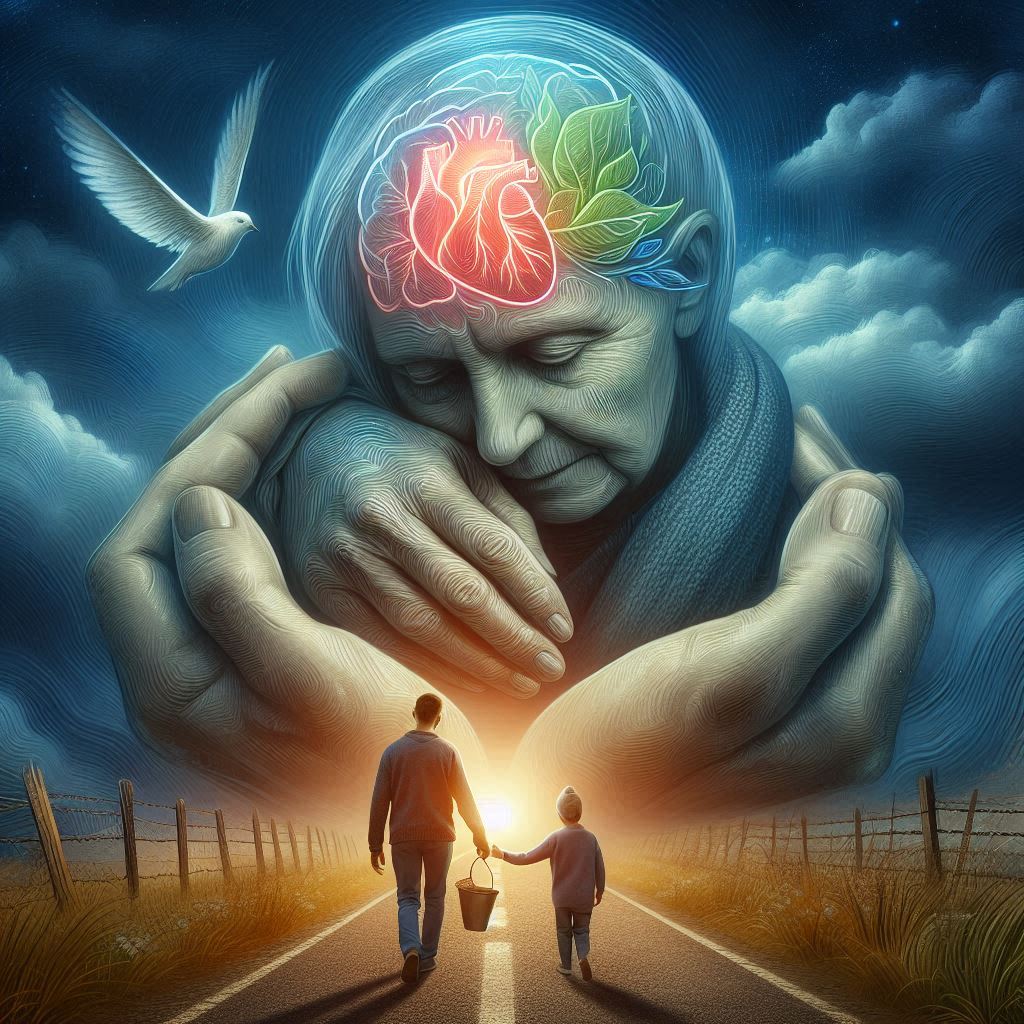
“Caring with Compassion: Navigating the Road of Mental Illness with a Loved One”

Welcome to our mental health blog! Today we talk about caring for a Loved One with Mental Illness: A Journey of Compassion and Understanding.
Mental illness is often invisible, but its impact can be far-reaching. As a loved one of someone struggling with mental health challenges, you may find yourself navigating uncharted waters. The journey of caregiving can be overwhelming, heartbreaking, and rewarding all at once. Yet, with the right support and knowledge, it can also be a path of growth, both for you and the person you’re caring for.
In this blog post, I want to share my reflections and practical tips on how to care for a loved one with mental illness—whether they’re facing anxiety, depression, schizophrenia, or other mental health conditions. This is a topic close to my heart, as I’ve seen firsthand how important it is to approach these situations with patience, empathy, and a sense of hope.
Understanding Mental Illness
To support someone who is struggling with mental illness, it’s essential to understand what they’re going through. Mental illness is not a sign of weakness, nor is it something that can be “fixed” quickly. It’s a complex set of conditions that affect the way people think, feel, and act. While each person’s experience is unique, there are some common threads.
Anxiety, for instance, might make a loved one feel overwhelmed by everyday situations, even though they may seem small or manageable to others. Depression can cast a shadow over their day-to-day life, making even simple tasks feel like monumental obstacles. Disorders like schizophrenia can create a distorted reality, making communication and connection difficult.
As a caregiver, it’s important to approach each situation with compassion and patience. Understand that the behaviors and emotions your loved one is expressing aren’t personal symptoms of a much larger struggle. This knowledge can help you navigate difficult moments without frustration, allowing you to offer support in the most effective way possible.
The Emotional Impact on Caregivers
Caring for a loved one with mental illness often takes a toll on the caregiver, both emotionally and physically. It’s easy to become overwhelmed by the weight of responsibility, especially if you’re juggling other aspects of life. There may be days when you feel drained, frustrated, or even hopeless. And that’s okay. It doesn’t make you a bad caregiver—it makes you human.
Many caregivers experience feelings of guilt or doubt, wondering if they’re doing enough or if they could be doing more. It’s important to remember that you’re doing the best you can, and that’s all anyone can ask for. You can’t always fix the situation, but your support and presence mean the world to your loved one.
Being a caregiver also means experiencing your emotional ups and downs. It’s easy to lose sight of your own needs when someone you love is struggling. However, recognizing your feelings and seeking support when necessary is key to staying strong for both you and your loved one.
Practical Tips for Caregivers
While the emotional side of caregiving is incredibly important, there are also practical steps you can take to make this journey easier and more manageable.
- Establish Clear Communication: Open and honest communication is at the core of any strong relationship, especially when mental illness is involved. It’s essential to talk with your loved one about their needs and how they’re feeling. However, be mindful of their emotional state and be patient—sometimes it might take a while for them to express themselves.
- Set Boundaries: As much as you want to help, you can’t pour from an empty cup. Setting boundaries is vital for maintaining a healthy balance. This might mean saying no when you’re feeling overwhelmed or asking for help from others when needed. Boundaries allow you to care for your loved ones while also preserving your own mental and emotional well-being.
- Create a Routine: Structure and predictability can provide stability for someone with mental illness, especially when their world feels chaotic. Creating a daily routine that incorporates meals, medication, rest, and activities can bring a sense of calm and safety to both you and your loved one.
- Encourage Professional Help: As much as you can offer love and care, there are moments when your loved one may need professional intervention. Encourage therapy, counseling, or medication if necessary. There’s no shame in seeking help from a mental health professional—this is a team effort, and you don’t have to do it alone.
Self-Care for the Caregiver
While your loved one’s needs are incredibly important, so are yours. You can’t be an effective caregiver if you’re running empty. That’s why self-care should never be neglected. It’s not selfish, it’s necessary.
Take time for yourself, whether it’s taking a walk, reading a book, or simply having a moment of quiet. Make sure you’re getting enough rest and nourishment, as physical health is closely tied to emotional well-being. Don’t hesitate to reach out for help when you need it—whether it’s from friends, family, or a professional counselor. You may also consider joining a support group for caregivers, where you can share your experiences and learn from others in similar situations.
Self-care isn’t about escaping your responsibilities—it’s about replenishing your energy so you can continue to offer support. Remember, caring for yourself allows you to care better for your loved one.
Support Systems
Caring for a loved one with mental illness can feel isolating, but you don’t have to do it alone. One of the most important aspects of caregiving is finding and leaning on a support system. Whether it’s family, friends, or a professional support group, these connections can provide a much-needed outlet for your emotions and remind you that you’re not alone in this journey.
Sometimes, people might not know exactly what you’re going through, and that’s okay. Just having someone who listens—without judgment—can make all the difference. Don’t hesitate to reach out to those who care about you, and let them know when you need help, whether it’s for a listening ear or a hand with day-to-day tasks.
Additionally, online communities can be a wonderful source of support. There are countless forums, Facebook groups, and blogs (like this one!) where caregivers share advice, encouragement, and even just their experiences. Connecting with others who are going through similar challenges can be comforting and empowering.
Resources for Further Help
There are many organizations and resources dedicated to supporting both people with mental illness and their caregivers. Here are a few that you might find helpful:
- National Alliance on Mental Illness (NAMI) – NAMI offers a wealth of resources for both individuals and caregivers, including educational programs, support groups, and advocacy opportunities.
Visit NAMI - Mental Health America (MHA) – MHA provides resources on mental health conditions, as well as tools for caregivers and individuals seeking help.
Visit MHA - 988 Suicide & Crisis Lifeline – If you or your loved one are in crisis, the 988 Lifeline offers free, confidential support 24/7. Whether it’s a mental health crisis, emotional distress, or thoughts of suicide, you can text or call 988 to connect with a trained counselor who can provide support.
Call or Text 988 for help - Caregiver Support Programs – Many local hospitals, community organizations, or even online platforms offer caregiver support programs, where you can get expert advice or simply find others who understand your experience.
Don’t forget that seeking professional counseling or therapy can be extremely helpful—both for you and for your loved one. Whether it’s individual therapy or family therapy, it’s an investment in everyone’s well-being.
Suggested reads for this topic!
-
Understanding Mental Illness: A Comprehensive Guide to Mental Health Disorders for Family and Friends – An essential resource that helps caregivers and loved ones better understand a wide range of mental health conditions and how to support someone living with them.
- The Tools — Offers practical strategies for personal growth; may help caregivers cultivate self-awareness and resilience.
-
Boundaries – A practical guide for maintaining balance and protecting your emotional well-being as a caregiver.
-
Breaking the Stigma – Encourages compassion and open conversations that reduce shame and misunderstanding around mental illness.
-
Full Catastrophe Living – A mindfulness-based approach to managing the stress and emotional toll of caregiving.
Self-Care Tool (Available in our Shop):
-
Steady Heart: A 6-Month Check-In Journal for Mental Health and Self-Care – Designed to help you reflect weekly and monthly on your emotions, energy, and progress. This guided journal supports caregivers in staying grounded, practicing self-compassion, and nurturing their own mental health while caring for others.
Conclusion
Caring for a loved one with a mental illness is not easy, but it is a journey filled with moments of grace, understanding, and profound love. As a caregiver, it’s vital to remember that you don’t have to carry this burden alone. Take it one step at a time, seek help when needed, and give yourself grace. Your well-being matters just as much as the person you’re caring for.
The road may be challenging, but through compassion, communication, and self-care, you can navigate it with strength and resilience. You are making a difference in their life, and you deserve to have support along the way.
Takeaway
Supporting a loved one with mental illness requires patience, compassion, and balance. Cultivating awareness, honoring your own emotions, and reaching out for help when needed makes a profound difference—not only for your loved one, but for you as well. Professionals, support groups, and resources like those at Ellipsis Counseling Center are here to guide you.
Thank you for joining us on this journey to promote mental well-being and break the stigma. Stay tuned for more insights, tips, and stories on our mental health blog!
If you have a personal story about caregiving, resilience, or healing that you’d like to share, feel free to email us at ellipsiscenter@gmail.com. Let us know if you’d like to remain anonymous or include your name.