
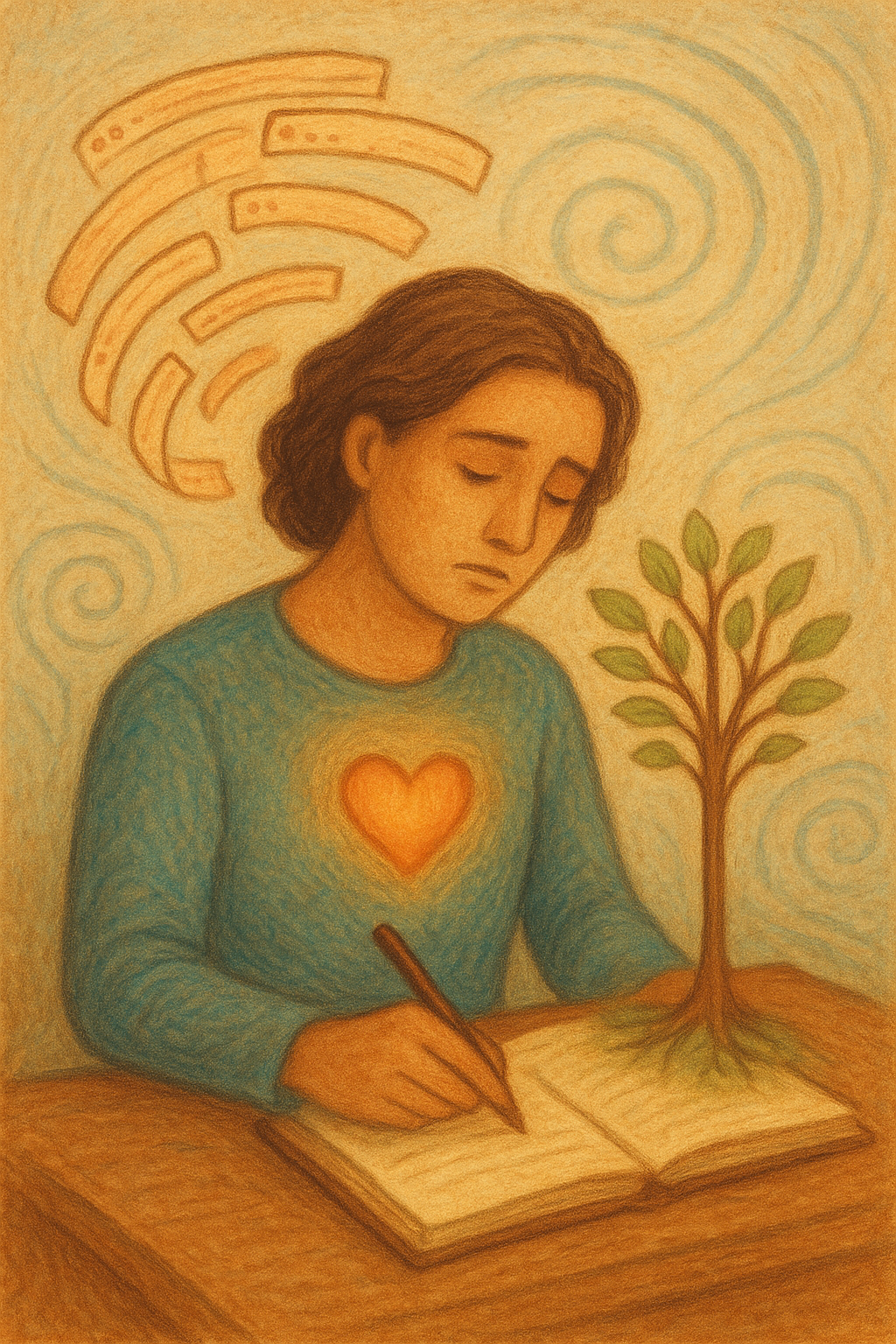
Beyond the Diagnosis: Navigating ADHD with Compassion and Clarity
October is ADHD Awareness Month
Welcome to our mental health blog. This October, we’re taking a deeper look at ADHD—Attention-Deficit/Hyperactivity Disorder—not just as a clinical diagnosis, but as a lived experience that affects emotional health, relationships, identity, and daily functioning.
ADHD is often misunderstood. It’s not just about being “distracted” or “hyper.” It’s about how the brain processes information, regulates emotions, and navigates a world that often demands linear focus and constant self-control.
Whether you’re newly diagnosed, supporting a loved one, or simply seeking to understand, this blog offers a compassionate, comprehensive guide to ADHD.
What Is ADHD?
ADHD is a neurodevelopmental condition that affects attention, impulse control, and emotional regulation. It impacts both children and adults, though symptoms may shift over time.
There are three primary types:
-
Inattentive Type: Difficulty focusing, forgetfulness, disorganization
-
Hyperactive-Impulsive Type: Restlessness, impulsivity, excessive talking
-
Combined Type: A mix of both inattentive and hyperactive symptoms
ADHD is not a character flaw. It’s a brain-based difference in how attention and regulation work.
The Emotional Impact of ADHD
ADHD doesn’t just affect focus—it deeply influences emotional health. Many individuals experience:
-
Rejection Sensitivity Dysphoria (RSD): Intense emotional pain from perceived rejection or criticism
-
Emotional Dysregulation: Difficulty managing frustration, sadness, or excitement
-
Low Self-Esteem: Years of being misunderstood or labeled as “lazy” or “disruptive”
-
Anxiety and Depression: Often co-occurring due to chronic stress and social challenges
These emotional layers are real—and they deserve care, not shame.
ADHD and Identity
Living with ADHD can shape how individuals see themselves:
-
Feeling “too much” in some spaces and “not enough” in others
-
Struggling with consistency, even when motivation is high
-
Navigating relationships where communication and emotional regulation are challenged
-
Internalizing failure despite effort and intelligence
Healing begins when we name these patterns and offer compassion instead of criticism.
Treatment Options
ADHD is treatable, and a combination of approaches often works best:
Medication
-
Stimulants (e.g., Adderall, Ritalin): Increase dopamine and norepinephrine
-
Non-Stimulants (e.g., Strattera, Intuniv): Options for those sensitive to stimulants
Therapy
-
Cognitive Behavioral Therapy (CBT): Builds time management, emotional regulation, and reframing skills
-
Executive Function Coaching: Strengthens organization, planning, and follow-through
-
Family or Couples Therapy: Improves understanding, boundaries, and communication
Lifestyle Strategies
-
Routine and structure: Visual schedules, timers, and checklists
-
Movement and exercise: Regulates mood and boosts focus
-
Nutrition: Protein-rich meals, omega-3s, and hydration
-
Sleep hygiene: Consistent bedtime, screen limits, and calming rituals
Supporting Someone with ADHD
Whether it’s a child, partner, or friend, support makes a difference:
-
Be patient—ADHD is not intentional defiance
-
Use reminders and visual cues
-
Celebrate small wins
-
Avoid shame-based language
-
Encourage breaks and movement
-
Validate their experience
Resources and Support Networks
National Organizations
-
CHADD – Education and advocacy for children and adults
-
ADDA – Support for adults with ADHD
-
Understood.org – Tools for families and educators
-
ADDitude Magazine – Articles, webinars, and community forums
📚 Recommended Books
All written by professionals with expertise in ADHD and emotional well-being:
- Your Brain’s Not Broken by Dr. Tamara Rosier – Practical guidance for managing energy, motivation, and emotion
-
Scattered Minds by Dr. Gabor Maté – A deeply empathetic exploration of the emotional roots of ADHD.
-
ADHD 2.0 by Dr. Edward M. Hallowell & Dr. John J. Ratey – Updated insights blending neuroscience with hope and positivity.
📱 Apps & Tools
-
Focus@Will – Music designed to improve attention and productivity
-
Todoist or Notion – ADHD-friendly apps for reminders, routines, and task management
-
Headspace or Insight Timer – Guided meditations for emotional regulation
-
Brain.fm – Sound-based focus enhancer for studying or creative work
✏️ Journals or Tools from Ellipses of the Mind
These tools complement ADHD support through mindfulness, structure, and creative reflection:
-
Steady Heart Journal – A 3-month guided check-in for tracking focus, energy, and emotional patterns. Encourages consistent self-awareness and grounding.
-
Breath by Breath Journal – Designed to support anxiety regulation and present-moment calm—perfect for ADHD-related overwhelm.
-
Art Is My Therapy: Mandalas & Mindfulness Designs – Coloring for focus, emotional release, and sensory grounding.
-
Art Is My Therapy: Color your Truth, Reflect with Grace – Combines positive affirmations and short prompts to build motivation, confidence, and clarity.
Local Support
If you live in Florida, Ellipsis Counseling Center offers virtual sessions for adults navigating ADHD, emotional health, and identity.
Their approach is gentle, validating, and tailored to your unique needs.
Conclusion
Living with ADHD is a journey—one that can be both challenging and deeply insightful.
It’s not just about managing distractions or impulsivity; it’s about learning to live in harmony with how your mind works.
When you replace judgment with understanding, frustration with curiosity, and shame with compassion, healing begins to unfold.
ADHD is not a limitation—it’s a different way of processing the world. With the right tools, support, and self-awareness, it can become a pathway toward greater creativity, empathy, and resilience.
No matter where you are on your journey—just beginning to understand your diagnosis, supporting a loved one, or finding your balance—remember: you are capable, intelligent, and deserving of peace.
Encouragement and Support
It begins with small, intentional steps toward clarity, structure, and emotional well-being.
And when you care for your own mind, you reclaim the power to shape your future.
This month, give yourself the gift of understanding.
Pause. Reflect. Seek support.
Because your mental health matters—today, tomorrow, and always.
ADHD may challenge focus, organization, and emotional regulation, but healing is possible.
Whether you are navigating your own diagnosis, supporting a loved one, or simply learning more, remember:
-
You are not broken.
-
Your feelings are valid.
-
Help is within reach.
Supportive tools—such as therapy, coaching, structure, and community—can help you reclaim your voice and rebuild your confidence.
Takeaway
Living with ADHD doesn’t mean you’re broken—it means your brain dances to a different rhythm.
The key is learning to move with that rhythm instead of against it.
Build routines that support your energy, find tools that help you focus, and surround yourself with people who understand your effort—even when progress looks imperfect.
Each moment of awareness is a small victory.
Each act of self-compassion is a step toward healing.
This month, give yourself the grace to pause, reflect, and care for your mind—because clarity, focus, and peace are possible.
You are not defined by distraction.
You are defined by your determination to keep showing up.
If you are ready to take that step, consider connecting with professionals who understand neurodivergence and emotional depth.
Whether through Ellipsis Counseling Center or another trusted resource, help is always within reach.
Thank you for joining us as we honor neurodivergent voices and break the stigma around ADHD.
Stay tuned for more insights, tools, and stories on our mental health blog.
Personal Journey Stories: Real Voices. Real Healing.
Behind every diagnosis is a real person—someone who has faced confusion, found clarity, and begun the long journey toward self-acceptance.
Every ADHD story is different, but each one carries the same message: you are not alone, and your voice matters.
Sharing personal experiences helps break the silence that keeps ADHD misunderstood. It can also inspire others who may still be in the shadows, unsure of where to turn or if change is even possible.
Ellipsis Counseling Center, believe in the healing power of storytelling—the kind that brings light to overwhelm, strength to vulnerability, and connection to those who are still finding their way.
If you would like to share your journey—whether it’s about reclaiming your voice, learning to trust your brain, or rebuilding life with ADHD—we welcome your story.
You can remain anonymous or include your name.
Your story could help someone else take their first step toward clarity, hope, and healing.
To share, please email: ellipsiscenter@gmail.com, with the subject line “My ADHD Story.”
“When we speak our truth, we heal not only ourselves but also those who need to hear that thriving is possible.”
Before I Knew Why: My Journey with ADHD – by Anonymous, ADHD Testimony