
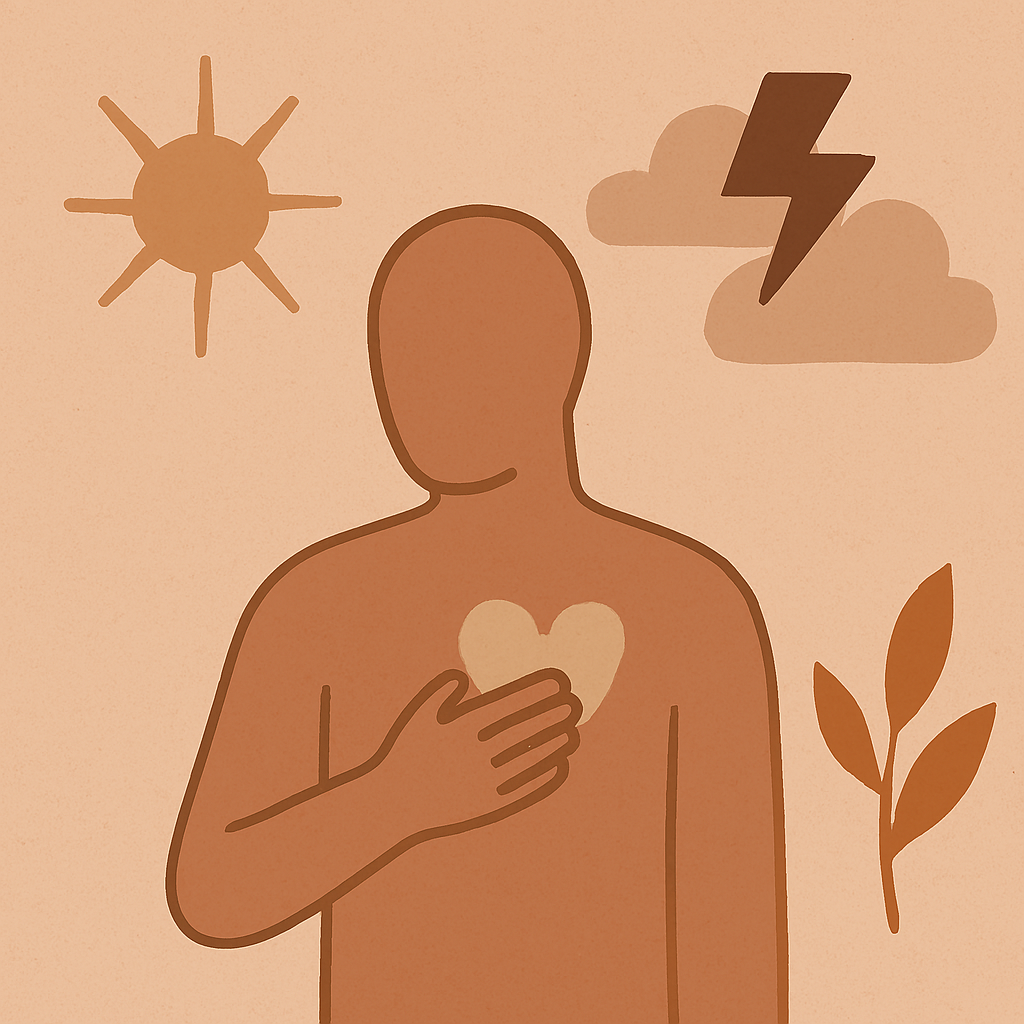
Understanding Emotional Boundaries, Recognizing Triggers, and Embracing Healing!

Welcome to our mental health blog! Today we explore emotional boundaries—the personal limits that help us protect our well-being—how to identify emotional triggers, and the path to healing from emotional pain. Mastering these skills empowers better self-care, healthier relationships, and emotional resilience.
What Are Emotional Boundaries?
Emotional boundaries define what is—and isn’t—acceptable in how others treat and influence us. Healthy boundaries protect our emotional energy, set expectations for interactions, and help us stay true to our needs.
Common boundary styles:
- Flexible: Adaptable yet firm.
- Rigid: Emotionally distant and unyielding.
- Permeable: Overly open, lacking protection.
Healthy boundaries involve saying “no” when needed, expressing feelings honestly, and protecting personal limits.
Recognizing Your Triggers: What Sets You Off?
Triggers are emotional or sensory cues that evoke intense reactions—fear, anger, shame, or distress. Identifying triggers helps you respond with self-awareness rather than reacting impulsively.
Common triggers include:
- Criticism or conflict reminders
- Feeling unheard, dismissed, or invalidated
- Overwhelm from stress or fatigue
- Reactions tied to past trauma
Recognizing triggers helps you create strategies that support emotional well-being.
The Healing Process: Building Safety and Strength
Healing is possible—and often unfolds through these steps:
- Awareness
-
- Journal emotional highs and lows
- Notice situations that leave you drained or reactive
- Set Boundaries
-
- Communicate clearly: “I’ll talk about this when I feel calm.”
- Remove yourself from emotionally unsafe environments when needed
- Self-Protection
-
- Recognize and protect your emotional limits
- Practice saying “no” without guilt
- Therapeutic Support
-
- Individual therapy offers a safe space to unpack patterns and triggers
- Modalities like CBT (Cognitive Behavioral Therapy) and DBT (Dialectical Behavior Therapy) equip you with skills for emotional regulation
- Self-Soothing Practices
-
- Grounding exercises, mindfulness, or gentle movement like yoga
- Build a safety kit: comforting items like photos, soft textures, or calming scents
Support Groups & Community Resources
You don’t have to navigate this alone. Seeking connection can reinforce healing.
- NAMI (National Alliance on Mental Illness): Peer-led support groups for boundary and emotional health awareness — nami.org
- Mental Health America (MHA): Resources and community-based support — mhanational.org
- ADAA (Anxiety and Depression Association of America): Education on emotional triggers and skill-building support — adaa.org
- Therapy Directories (e.g., Psychology Today): Find therapists specializing in boundaries, emotional regulation, or trauma — psychologytoday.com
If you’re in Florida, Ellipsis Counseling Center offers individual virtual sessions to support emotional resilience, boundary setting, and the healing process. Visit Ellipsis Counseling Center to learn more.
Recommended Books on Boundaries and Emotional Healing
- Boundaries: When to Say Yes, How to Say No by Dr. Henry Cloud & Dr. John Townsend (PhD)
- The Body Keeps the Score by Dr. Bessel van der Kolk (MD) – trauma, triggers, and healing
- The Tools by Phil Stutz & Barry Michels
Takeaway
Emotional boundaries and healing from triggers are essential skills in personal growth and mental well-being. Cultivating awareness, honoring your emotions, and reaching out for support makes a profound difference. If you’re ready to take that step, professionals like those at Ellipsis Counseling Center are here to guide you.
Thank you for joining us as we share insights on emotional wellness. Stay tuned for more mental health tips, stories, and community resources!
If you have a personal story about boundaries, resilience, or healing that you’d like to share—feel free to email us at ellipsiscenter@gmail.com. Let us know if you’d like to remain anonymous or include your name.