
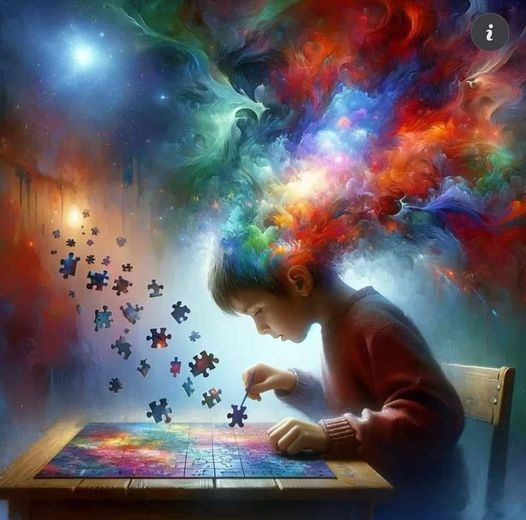
Understanding Autism Spectrum Disorder (ASD): Embracing Neurodiversity and Building Support!

Welcome to our mental health blog! Today, we talk about Autism Spectrum Disorder (ASD)—a neurodevelopmental condition that affects how people communicate, interact, learn, and experience the world.
Autism is not an illness or something to be “cured.” It’s a different way of thinking and processing the world. The spectrum is broad and includes a wide range of abilities, strengths, and challenges. Understanding autism means embracing neurodiversity—recognizing and appreciating that everyone’s brain works differently.
🧠 Is Autism a Mental Health Disorder?
A common misconception is that autism is a mental health disorder. In fact, Autism Spectrum Disorder is a neurodevelopmental condition, not a mental illness.
It is classified in the Diagnostic and Statistical Manual of Mental Disorders (DSM-5) under neurodevelopmental disorders, which are conditions that affect the growth and development of the brain and central nervous system.
However, many individuals with autism also experience co-occurring mental health conditions, such as:
-
Anxiety
-
Depression
-
Obsessive-Compulsive Disorder (OCD)
-
ADHD
-
PTSD
These conditions can add additional challenges to daily life and often require support from mental health professionals. Therapy can help manage these co-occurring symptoms and improve overall well-being.
🧩 What Is Autism Spectrum Disorder?
Autism Spectrum Disorder is a lifelong condition typically identified in early childhood, though some individuals may not receive a diagnosis until later in life. The traits and challenges can vary greatly from person to person. Some may need significant support in daily living, while others may live independently and have successful careers.
Common characteristics include:
-
Differences in social communication and interaction
-
Repetitive behaviors or routines
-
Intense interests in specific topics
-
Sensory sensitivities (to light, sound, touch, etc.)
Because no two autistic individuals are the same, support and understanding must be individualized and person-centered.
🔎 Signs of Autism
Early signs of ASD often appear before age 3, but they may evolve over time. Key indicators include:
-
Limited or no eye contact
-
Delayed speech or language development
-
Difficulty understanding social cues
-
Preference for routines or rituals
-
Strong reactions to sensory stimuli (sounds, textures, lights)
-
Repetitive movements (hand-flapping, rocking, etc.)
-
Deep focus or expertise in specific interests
These signs may look different depending on the individual’s age, personality, and gender (as girls are sometimes underdiagnosed or misdiagnosed).
🧠 How Is Autism Treated?
While autism itself isn’t something to be “fixed,” individuals may benefit from therapies and supports that help improve quality of life and address co-occurring challenges like anxiety, ADHD, or sensory processing issues.
Treatment options can include:
-
Speech and Language Therapy – Helps with communication skills
-
Occupational Therapy (OT) – Assists with sensory processing and daily living tasks
-
Applied Behavior Analysis (ABA) – A structured therapy sometimes used to teach skills and behaviors (though it’s important to choose compassionate, ethical providers, as some in the autistic community have concerns about certain ABA practices)
-
Cognitive Behavioral Therapy (CBT) – Modified CBT can be helpful in addressing anxiety or depression in individuals with autism
-
Social Skills Training – Especially useful for navigating social interactions in group or peer settings
-
Supportive Education Plans (IEPs/504 Plans) – Available in schools to provide accommodations
🤝 What If You’re Living with or Supporting Someone with Autism?
Support and understanding are crucial—not just for day-to-day needs, but also for fostering confidence and autonomy.
Ways to help:
-
Educate yourself about autism
-
Embrace and validate their unique perspective
-
Avoid trying to “normalize” or change who they are
-
Support their interests and sensory preferences
-
Use clear, direct communication
-
Be patient with transitions and changes
-
Create sensory-friendly environments
💙 Support Groups and Resources
Autistic individuals and their families benefit from communities where they feel understood and accepted. Here are trusted resources:
-
Autism Speaks – www.autismspeaks.org
-
Autistic Self Advocacy Network (ASAN) – www.autisticadvocacy.org
-
National Autism Association – www.nationalautismassociation.org
-
NAMI (National Alliance on Mental Illness) – www.nami.org
-
Psychology Today Therapist Directory – www.psychologytoday.com
📍 If you live in Florida, Ellipsis Counseling Center offers virtual individual therapy sessions for adults. While we may not specialize in autism diagnosis, we provide compassionate, affirming support for individuals navigating life on the spectrum or managing co-occurring challenges like anxiety or trauma.
✅ Takeaway:
If you or someone you know is facing mental health challenges, taking the first step toward treatment can make a profound difference. Early intervention, professional help, and community support are all tools that can lead to recovery and peace of mind. If you are ready to take that step, consider reaching out to professionals who can guide you through your journey. Whether through Ellipsis Counseling Center or another resource, help is always within reach.
Thank you for joining us on this journey to promote mental well-being and break the stigma. Stay tuned for more insights, tips, and stories on our mental health blog, and don’t forget to check out our Podcast and YouTube channel for deeper discussions and additional resources!
If you have a personal journey related to this topic that you would like to share, please feel free to email us at ellipsiscenter@gmail.com. Let us know if you want to share it anonymously or with your name.