
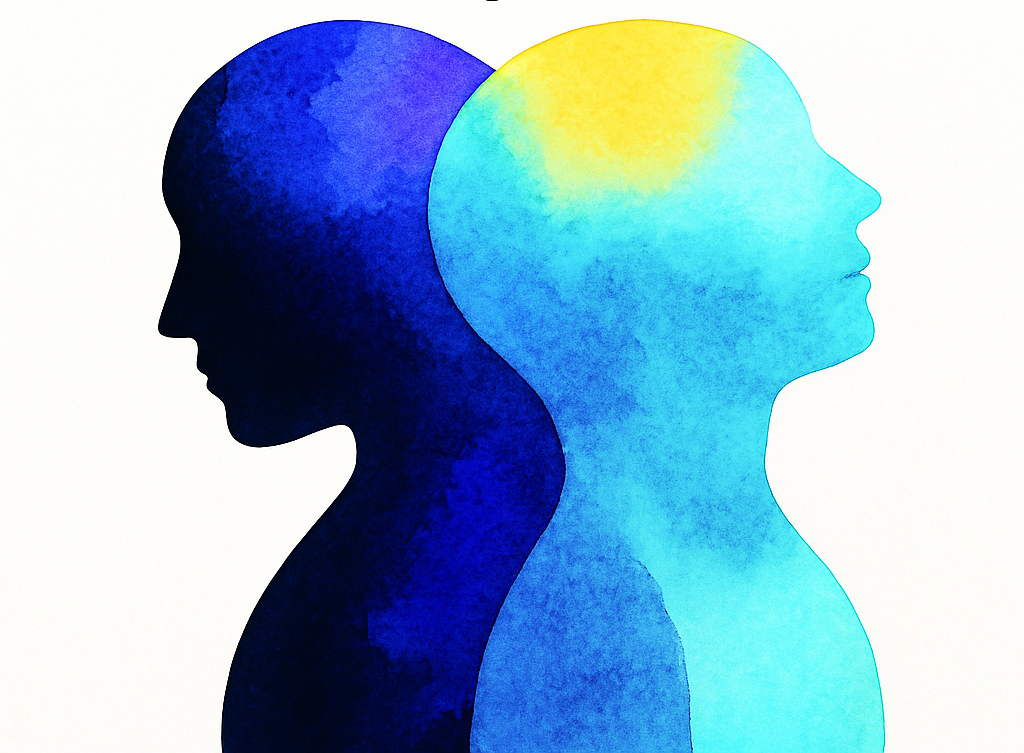

Welcome to our mental health blog! Today, we talk about understanding Borderline Personality Disorder (BPD)—a deeply misunderstood mental health condition that affects mood regulation, self-image, and relationships. Whether you’re living with BPD or love someone who is, this blog offers insights, guidance, and resources to help foster understanding and healing.
What is BPD?
Borderline Personality Disorder (BPD) is a mental health condition characterized by intense emotional instability, difficulties with self-identity, and challenges in interpersonal relationships. People with BPD often feel emotions more deeply and for longer periods, and they may have trouble returning to a stable emotional baseline after experiencing stress or conflict.
BPD is not a character flaw—it’s a complex disorder that can be treated and managed with the right support and tools.
Common Signs of BPD
Symptoms of BPD can vary, but often include:
-
Emotional Instability: Rapid mood swings, intense emotional reactions
-
Fear of Abandonment: Extreme sensitivity to real or perceived rejection or abandonment
-
Unstable Relationships: Shifting from idealization to devaluation in relationships
-
Impulsive Behaviors: Reckless spending, substance use, binge eating, or unsafe sex
-
Distorted Self-Image: Struggling with a consistent sense of self or purpose
-
Chronic Feelings of Emptiness
-
Intense Anger or Difficulty Controlling Anger
-
Self-Harming Behaviors or Suicidal Thoughts
These symptoms can significantly affect daily life, relationships, and self-worth—but treatment can help people with BPD build more stability and self-compassion.
How to Get Help
There is hope, and there is help. BPD is treatable, and many people go on to live fulfilling, connected, and emotionally stable lives.
Evidence-based treatments for BPD include:
-
Dialectical Behavior Therapy (DBT): A gold-standard therapy that teaches emotional regulation, distress tolerance, mindfulness, and interpersonal effectiveness.
-
Cognitive Behavioral Therapy (CBT): Helps challenge unhelpful thought patterns.
-
Medication: While there’s no medication specifically for BPD, some may help manage co-occurring symptoms like anxiety or depression.
-
Group therapy and peer support for skills-building and connection.
If you’re located in Florida, Ellipsis Counseling Center offers individual virtual therapy sessions for adults navigating BPD and related challenges. You’re not alone in this, and healing is possible.
Other helpful resources include:
-
National Education Alliance for Borderline Personality Disorder (NEABPD)
-
Psychology Today – Find DBT-trained therapists
Coping With BPD
Managing BPD takes time, self-compassion, and patience. Here are some helpful coping strategies:
-
Practice DBT skills like grounding techniques, emotion regulation, and interpersonal effectiveness
-
Develop a strong routine to provide emotional predictability
-
Use journaling or creative outlets to express emotions safely
-
Recognize triggers and develop a crisis plan with a trusted therapist
-
Celebrate progress, no matter how small—it all matters
Above all, know that you are not your diagnosis. You are worthy of love, healing, and understanding.
Living With Someone Who Has BPD
If someone close to you has BPD, it can be emotionally challenging, but also deeply meaningful to support them with compassion and healthy boundaries.
Here’s how to help:
-
Educate yourself about BPD—knowledge reduces frustration and increases empathy
-
Be patient, not reactive—their emotions may feel intense and unpredictable
-
Validate their feelings without necessarily agreeing with their perspective
-
Set clear, consistent boundaries to support both your well-being and theirs
-
Encourage professional treatment, especially DBT
Caregivers and loved ones can also benefit from support groups and therapy for themselves.
Support Groups and Community Resources
Connection can be a lifeline for those affected by BPD. Here are some resources to explore:
-
NEABPD Family Connections Program – Free courses for families and loved ones
-
NAMI Peer & Family Support Groups – Community-based and virtual options
-
Mental Health America (MHA) – Advocacy, screenings, and local support services
Recommended Read for This Topic:
- “I Hate You—Don’t Leave Me” by Dr. Jerold J. Kreisman and Hal Straus
-
- A classic and widely accessible guide that explains the experience of living with BPD and offers insights into treatment and coping.
-
- “Sometimes I Act Crazy” by Dr. Jerold J. Kreisman and Hal Straus
-
- This book is a follow-up to I Hate You—Don’t Leave Me, written by the same authors. It provides deeper insight into the day-to-day experiences of living with BPD.
-
Takeaway:
If you or someone you know is facing mental health challenges, taking the first step toward treatment can make a profound difference. Early intervention, professional help, and community support are all tools that can lead to recovery and peace of mind. If you are ready to take that step, consider reaching out to professionals who can guide you through your journey. Whether through Ellipsis Counseling Center or another resource, help is always within reach.
Thank you for joining us on this journey to promote mental well-being and breaking the stigma. Stay tuned for more insights, tips, and stories on our mental health blog, and don’t forget to check out our Podcast and YouTube channel for deeper discussions and additional resources!
If you have a personal journey related to this topic that you would like to share, please feel free to email us at ellipsiscenter@gmail.com. Let us know if you want to share it anonymously or with your name.